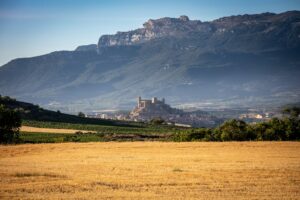
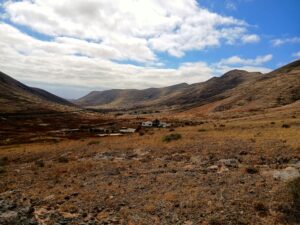
La Pared is one of those areas of Fuerteventura where the landscape explains itself without many words: an open coast, a long horizon and the feeling that time passes more slowly. If you are staying in the south of the island, visiting La Pared and its coastline is an easy way to give a day to looking, walking and breathing. This guide suggests how to do it calmly, unhurriedly and with respect for the environment.
A landscape understood by looking
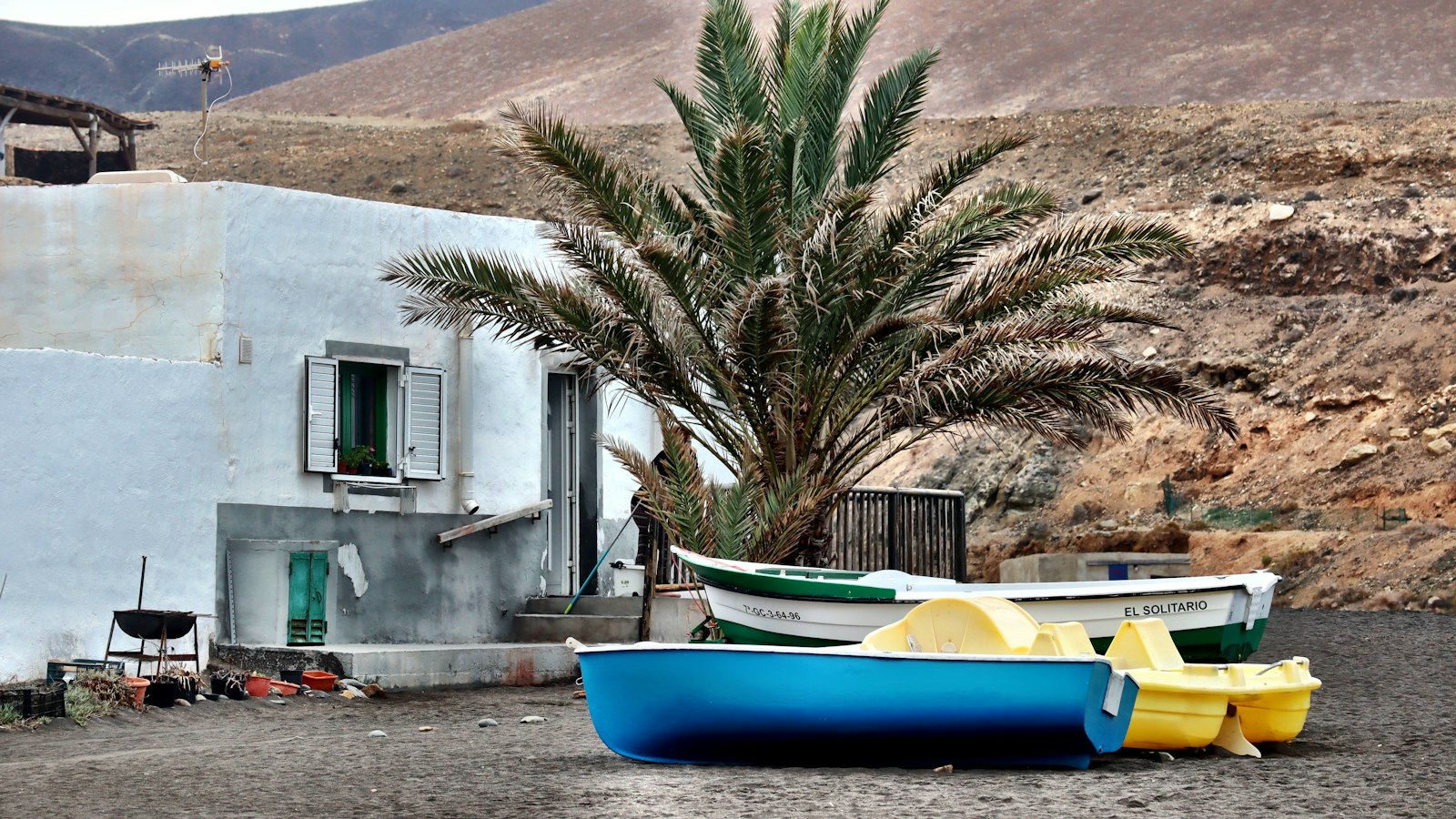
The coast in this part of the island combines open sea, dry ground and very intense light. There is no artifice: what draws you is the breadth, the colour of the earth and the contrast with the Atlantic blue. That makes it especially suited to a calm plan of contemplation and short walks, with no need for a packed agenda.
How to organise the visit
Choose the time well
Light changes everything. Early morning and late afternoon bring warmer colours, shadows that define the relief and gentler temperatures. At midday the sun flattens the landscape and the heat can be demanding, especially in the hotter months.
Check wind and sea conditions
On the coast, wind and swell can be strong. Look at the forecast before heading out and adjust: a windy day suits a short, well-wrapped walk, while a calm one allows a longer outing. Do not go near cliff edges or areas with heavy surf, and always respect signs.
Pack the basics
- Enough water, even for a short trip.
- Sun protection, cap and sunglasses.
- A light windproof layer.
- Closed, comfortable shoes: the ground is often stony.
- A bag to take your rubbish with you.
Exploring the coast without hurry
You do not need to see everything in a day. A good approach is to pick a stretch, walk without a goal and stop now and then at points where the landscape opens up. Viewpoints and raised spots offer wide perspectives of the coast, but check their exact location and access first, as some tracks may be in poor condition or inadvisable depending on the day.
If you like photography, bring patience before equipment: wait for the light to change, observe the lines of the coast and avoid the busiest spots. If you prefer to do nothing, a bench or a sunny stone and the sound of the sea are enough.
What to notice on your walk
The colour of the ground. On the dry coast, ochres, browns and reds shift with the hour and the humidity of the air. The line of the horizon. With no tall buildings or dense vegetation it is a main character; try slow looking. The sound. Swell, wind and sometimes a surprising silence. Birds and plants. With patience you notice details that usually pass unseen: small wind-adapted plants, birds crossing the coast, tracks in dry sand. Observe without disturbing.
Travelling with children or older people
Choose a short stretch with few slopes and decide a resting point beforehand. Carry more water than you think you need and stay close to the car or the main track. If the day is very windy or hot, leave the walk for another time: the coast will still be there.
Respect for the environment
- Walk on existing paths and avoid opening new ones.
- Leave no rubbish and do not take stones, shells or plants.
- Keep your distance from wildlife and respect fences.
- Do not light fires and always follow local guidance.
A day designed for switching off
A simple proposal: relaxed breakfast, a mid-morning trip to the coast, a short walk with stops to look, an unhurried lunch and back to your accommodation to rest. In the afternoon, if you feel like it, a last walk in low light. It needs no special fitness and leaves room to improvise.
Where to stay to enjoy the area
Staying in a calm setting lets you start and end the day without stress. Finca Artis Tirma is an eco retreat surrounded by nature, with independent accommodation, made for people who prefer landscape and silence. Check availability on its page, or write to us if you need help organising your stay.
Frequently asked questions
Early morning or late afternoon, when the light is warmer and heat and crowds are usually lower.
Not for simple walks. Comfortable shoes, water, sun protection and a windproof layer are enough.
Always keep a distance from edges, watch the swell and respect signs. On very windy days it is better to avoid them.
A car makes access and timing more flexible. Ask your accommodation about the best way to get there.