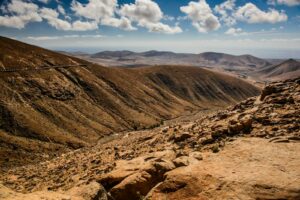
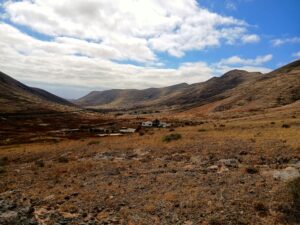
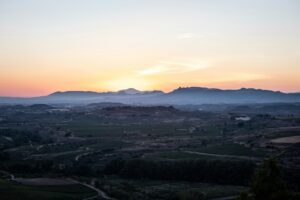
Southern Fuerteventura has a reputation as the quietest part of the island: less noise, wide horizons and a dry landscape that slows you down. But “quiet” means different things to different people, and choosing well is what separates a truly restful holiday from one spent mostly in the car. This guide covers what to weigh before you book and why Tarajalejo makes a sensible base if calm is what you want.
What “quiet” means in the south of the island
Before looking at places to stay, decide what you are after. For some it is sleeping without bar noise. For others it is walking at sunrise without crowds, having an outdoor corner to read in, or simply not organising anything for a few days. Knowing this helps you filter options and avoid paying for services you will not use.
In general the south offers small villages, open landscape and a gentler pace than the busiest resort areas. Even so, your experience depends heavily on the exact location, the immediate surroundings and how the place is run. Two stays a few kilometres apart can feel very different.
How to choose a quiet place to stay
The immediate surroundings
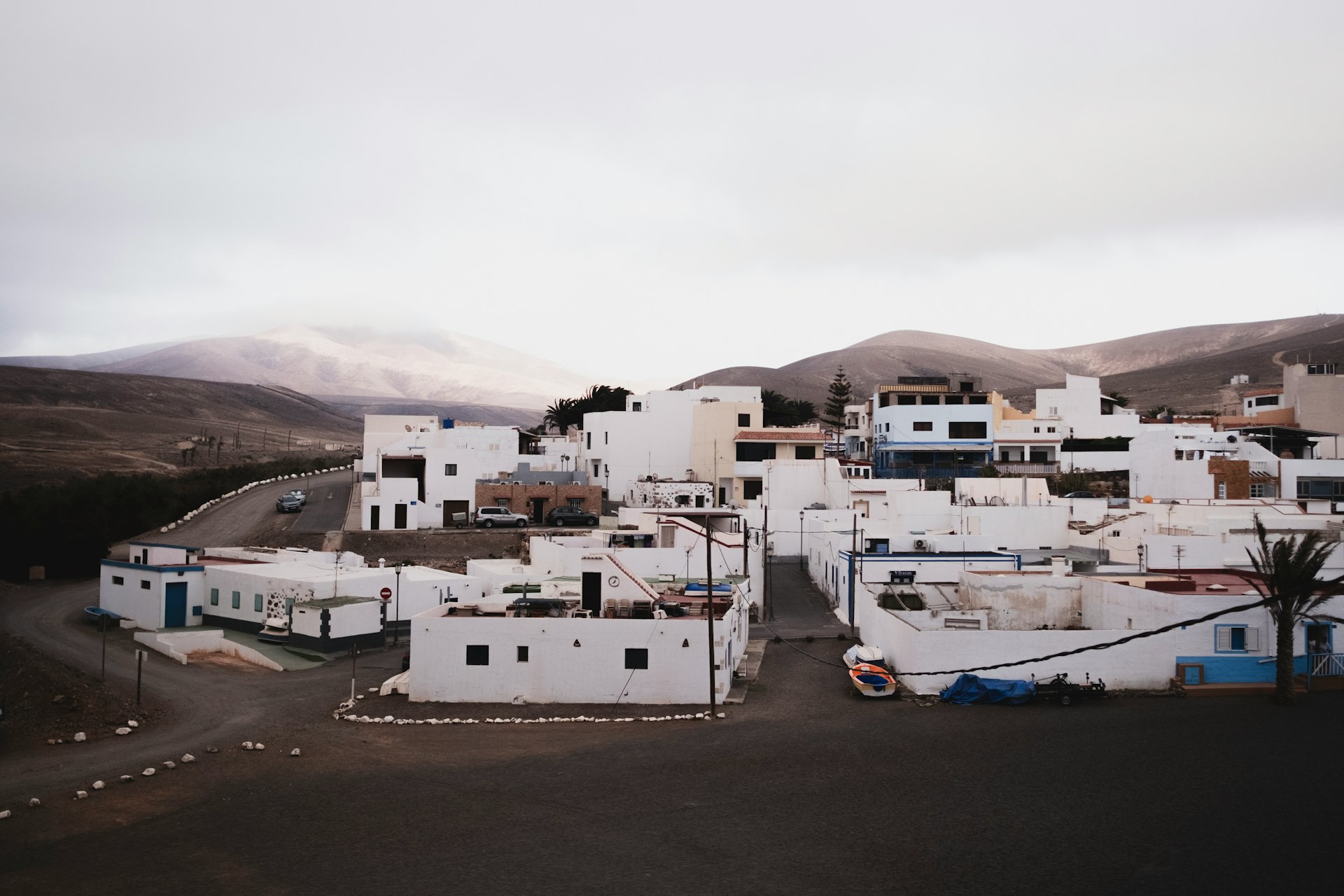
Check where the property really is: inside a village with nightlife, beside a busy road, or in a quieter residential area. Photos show the best side; the map shows the rest. Ask about the distance to bars and main roads and how the place sounds at night. In rural areas it is also worth asking about farming or livestock activity nearby.
Size and type of accommodation
Small properties with few units tend to be calmer than large complexes. A self-contained house or apartment gives you control over your schedule, your kitchen and your space, which matters when the goal is to switch off. In a big complex you share corridors, pools and routines with many more people.
Outdoor space and views
A terrace or garden to sit in during the afternoon changes how you experience a stay. With Fuerteventura’s strong light and big skies, an outdoor corner is almost as important as the bed. Ask whether it is private or shared and whether you can use it at different times of day.
Getting around
Think about how you will move. With a hire car, location matters less; if you prefer to walk, look for basic services and walks within reach. The island is long and distances add up, so plan realistically rather than filling the week with long drives that undo the rest.
Facilities you will actually use
A properly equipped kitchen, good bedding, a stable connection if you need to work a little, shade outdoors or a sheltered spot to read. Small details, but they decide whether you feel at ease from day one. Fewer services done well beat a long list you do not need.
Tarajalejo as a base for a slow stay
Tarajalejo is a coastal village in the south-east of the island with a local feel and an easy rhythm. It suits travellers who prefer an everyday setting to mass tourism. From here you can plan quiet walks and trips along the coast and inland without long daily drives.
Its village character lets you mix days of walking and sea with days of doing nothing. To learn more, see our page on stay options in Tarajalejo, with details of the space and how to book.
Organising your stay to truly rest
A calm stay is rarely improvised entirely. A few things that tend to work:
- Book several nights in one place instead of moving every two days.
- Leave one or two days unplanned, just for walking and watching.
- Cluster excursions into the cooler, quieter hours.
- Do a basic shop on arrival so you do not depend on daily trips.
- Bring comfortable shoes, sun protection and a layer for the wind.
- Put the phone away for a few hours a day; the landscape deserves it.
A four-day rhythm, as an example
Not a fixed itinerary, just an idea. Day one: unhurried arrival, a basic shop and a short walk to get your bearings. Day two: a morning trip along the coast or inland, with a free afternoon. Day three: a whole day with no plan, for reading, resting or wandering. Day four: a last early walk and a relaxed departure. More pauses than activities is what fits the idea of quiet best.
What to ask before booking
Write to the host and be specific: what is the area like at night, what is within walking distance, how is access, what does the space include and what is the cancellation policy. A clear, honest answer is a good sign. Be wary of vague descriptions or replies that dodge your questions.
When you are ready, you can check availability and book your stay in Tarajalejo or, if you have questions, contact us.
Frequently asked questions
It depends on what you want, but small, local-feeling villages such as Tarajalejo usually suit people seeking silence and a slower pace.
A self-contained property usually gives you more control over schedules and noise, plus private outdoor space.
Distances are long and public transport is limited, so a car makes excursions easier. For very slow stays you can move around less.
Three or four nights is enough to notice the change of pace; a week lets you rest without hurrying.